Why do you need to erase data from disks?
There are several reasons why you may want to delete data from your hard drives or other devices used to store confidential information. First, you’re probably handing off drives to new employees rather than getting rid of them, and you don’t want to allow access to existing data or passwords.
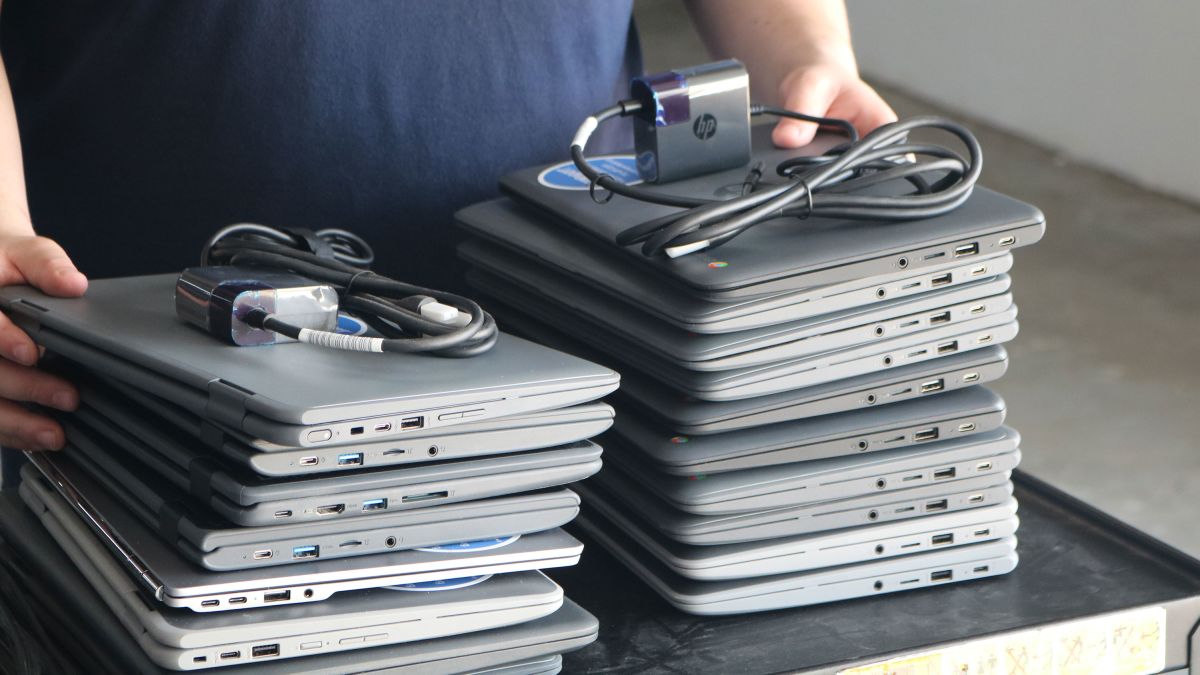
Second, your organization can plan for upgrading and remarketing old devices when you purchase new ones. Naturally, you don’t want the new owners to have access to your sensitive information, especially since you are legally responsible for keeping your company data or your employees’ personal data secure.
Complete deletion of all data
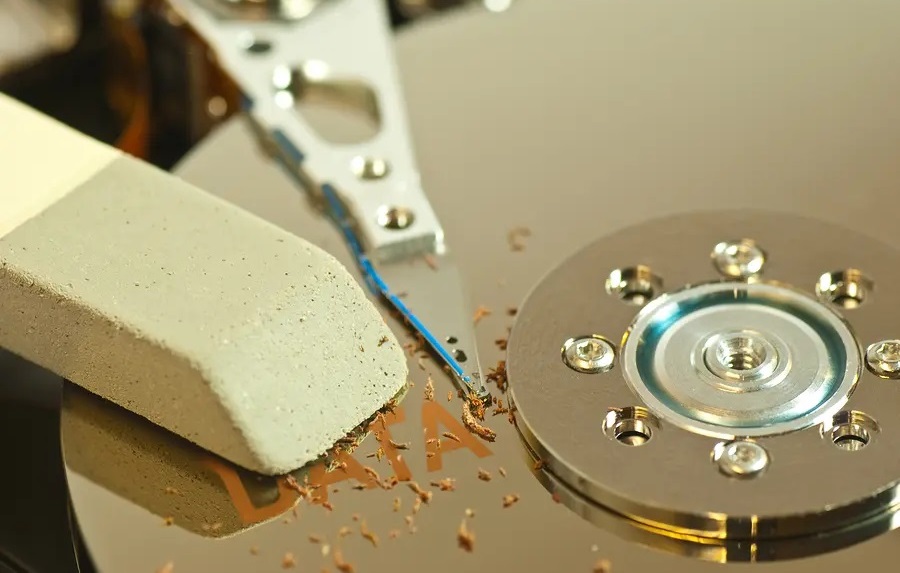
This means you must eliminate all data on the devices at least in compliance with applicable consumer privacy laws. Of course, not all data is equally important. More stringent security measures apply to certain types of data.
Whether your industry has higher data destruction standards or you just want to exceed them to wipe data from devices before you sell or donate them for reuse, you should consider data wiping at the DOD level. What makes this form of erasure better than standard methods?
What is a DoD wipe?
DoD erasure refers to the secure deletion of data from disks in accordance with the “DoD standard,” also known as DoD 5220.22-M, which is the standard set by the Department of Defense (Department of Defense) of the United States to securely erase data from a hard drive. The Department of Defense established this standard in the 1990s to ensure data protection through random overwrite methods as companies disposed of old computers.
Compliance at DoD level
Many corporations and government agencies hold themselves to extremely high standards when it comes to data security due to the sensitive nature of the information they store. Strategic organisations and ministries hold important responsible secrets that could, if leaked, compromise their security.
So what do they do with their legacy IT assets when they need to upgrade their equipment? They follow strict wipe methods that ensure data is completely wiped.
Although DOD’s methods may seem far-fetched to the average business owner, the results cannot be denied. When you undertake an erasure process at the DOD level, you are sure to not only comply with national and international privacy laws, but likely exceed industry regulations designed to protect medical, financial and other highly sensitive data.
Re-record with three passes
DoD actually uses two different levels of attrition. Even the first, a three-pass overwrite, should exceed the needs of the average business. In this method, erasure occurs in three phases. The first pass overwrites all existing data with a sequence of zeros, while the second pass uses a sequence of ones. The third and final pass overwrites random characters before a check is performed to ensure that there is no trace of the original data.
Re-record with seven passes
If three passes just aren’t enough to eliminate your doubts about erasing data, there is also a seven-pass process that overwrites the data as follows:
- Pass 1: recording zeros
- Pass 2: recording units
- Pass 3: record random characters
- Pass 4: record random characters
- Pass 5: recording zeros
- Pass 6: recording units
- Pass 7: record random characters
This process is followed by a final pass to verify the data has been completely deleted. For most companies, the time and expense associated with this lengthy process is unnecessary, but it’s always good to know your options when it comes to protecting your company and your customers.
Do you have any questions about this?
If you have any questions about deleting your data or recycling your organisation’s IT equipment, don’t hesitate to contact us.