Recycling of IT equipment and environmental protection
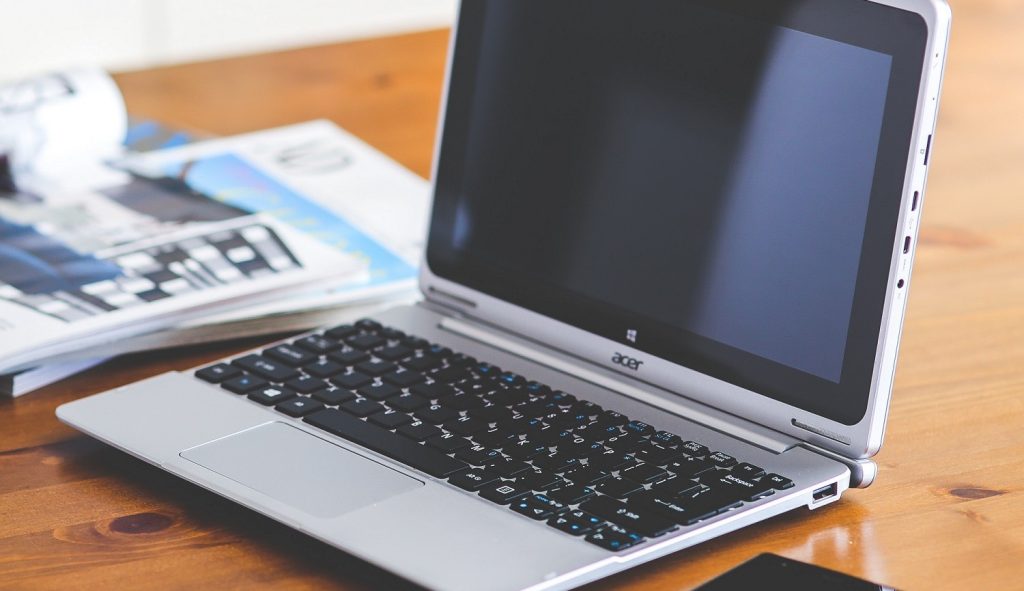
With the growth of technology and frequent software updates, recycling old laptops and computers is becoming increasingly important. Instead of throwing them in the trash, do something important and pass them on for recycling. By recycling IT equipment, we put resources back into use and protect the environment
350 million
the laptop is replaced every year
According to statistics from International Data Corporation (IDC), an average of 350 million laptops have been sold annually worldwide for the past three years. More and more people and businesses are using laptops for their professional and personal needs, contributing to the steady growth of this market.
We recycle old IT equipment and provide the best conditions
With our professional services we will accept, transport and recycle unwanted IT equipment, offering the best conditions and prices. We accept working and non-working laptops, desktops, servers, hard drives, processors, server memory, monitors, printers and other IT hardware from the top brands (HPE, Dell, Lenovo, Intel, IBM and Cisco).
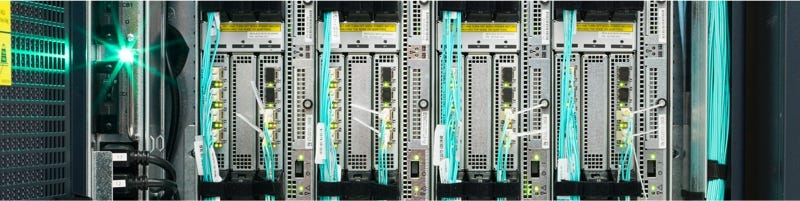
Servers
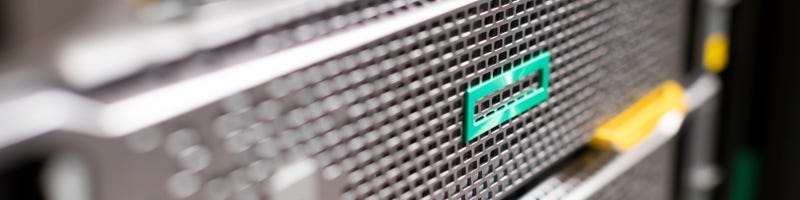
We accept all types and brands of servers including HPE, Dell and IBM.
Server components
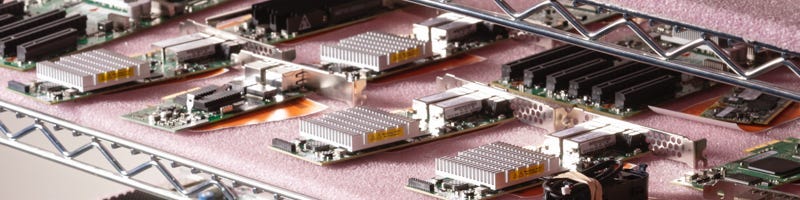
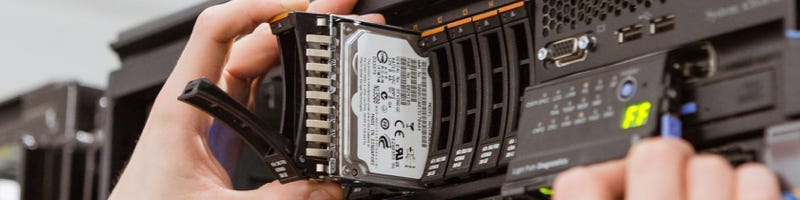
We accept a variety of components and server parts including CPUs, HDDs & SSDs.
Server memories
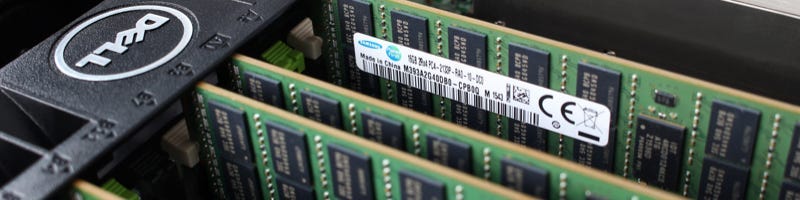
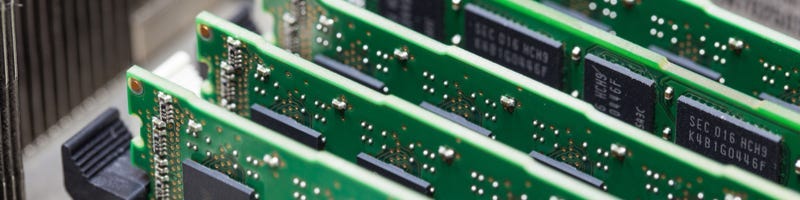
Ranging from DDR3 to DDR4, from 4GB to 128GB and from different brands, incl. HPE, Hynix, Micron and Samsung.
Laptops and computers
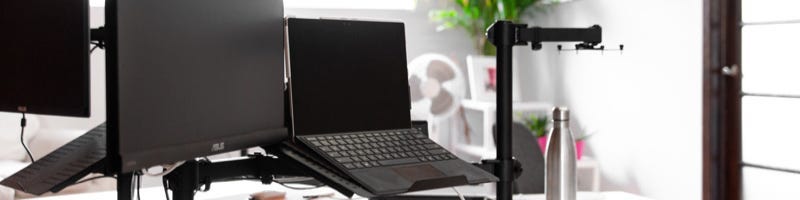
We accept a wide variety of HP, Dell, Lenovo , Apple laptops and computers and their components.
Memories for laptops
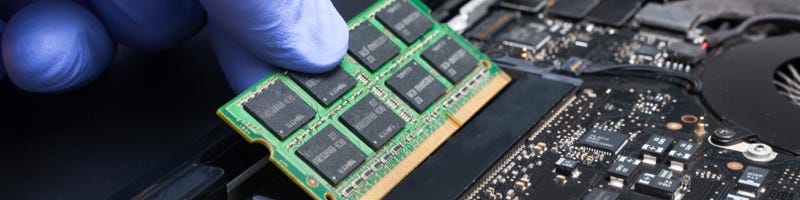
We accept used working RAM for the new HP, Lenovo and Dell laptop models.
Memories for computers
We accept working memories of various capacities, models and DDR types for recycling.
Disks and disk arrays
We accept SSDs, HDDs, optical drives and MSA controllers.
Network equipment
We accept working Cisco, Nexus and HPE switches and routers.
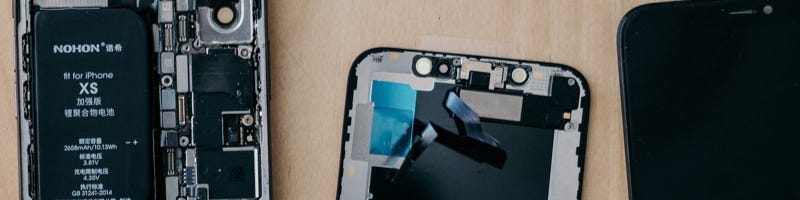
Mobile phones
You can recycle Apple, Google and Samsung mobile phones.
Why is it important to recycle your IT equipment?
Saves natural resources
Recycling IT equipment allows the reuse of valuable raw materials such as rare earths, metals, plastics and glass.This reduces the need to extract new raw materials and helps conserve natural resources.
Reduces environmental pollution
When laptops and computers are thrown away, they often end up in landfills where they decompose and release dangerous chemicals and toxins into the environment. Recycling IT equipment prevents this risk and reduces soil and water pollution.
Creates jobs
The computer recycling process creates jobs in the electronic waste recycling and processing industry. This helps stimulate the economy and create new employment opportunities.
Helping for a sustainable future
Recycling IT equipment is an important step towards a more sustainable future. By creating a culture of recycling and renewability, we help ensure a better planet for generations to come.
How we recycle laptops and computers
Step 1
Erasure of all information on the disks and issuance of a certificate for guaranteed destruction of the information.
Step 2
Assess the serviceability of the laptop or computer and refer for recycling or reuse. The latter is only possible with the consent of the device owner.
Step 3
Disassembly of the entire device into its component parts and assessment of their serviceability for the purpose of directing them for material recycling or reuse.
Step 4
Sorting the parts and sending them to factories for remelting and refining the materials.
Step 5
Issue a final recycling certificate and send it to the owner of the laptop.
Step 6
Process to prepare and repurpose for reuse. After acceptance, the laptop is diagnosed and evaluated. If the evaluation allows reuse, we prepare an evaluation report and a price offer for its purchase (only for customers with corporate contracts).
How to recycle your IT equipment?
Send us information about your IT equipment. Let us know what your requirements are for their recycling: data deletion, security level, authentication method and issuance of necessary documents.