The rapid pace of technological progress has led to a radical change in the way we live, work and connect. This has helped bring to life the concept of smart cities: cities that use technology to improve the quality of life of their citizens. Electronics recycling plays a crucial role in building these smart cities.
What is electronics recycling?
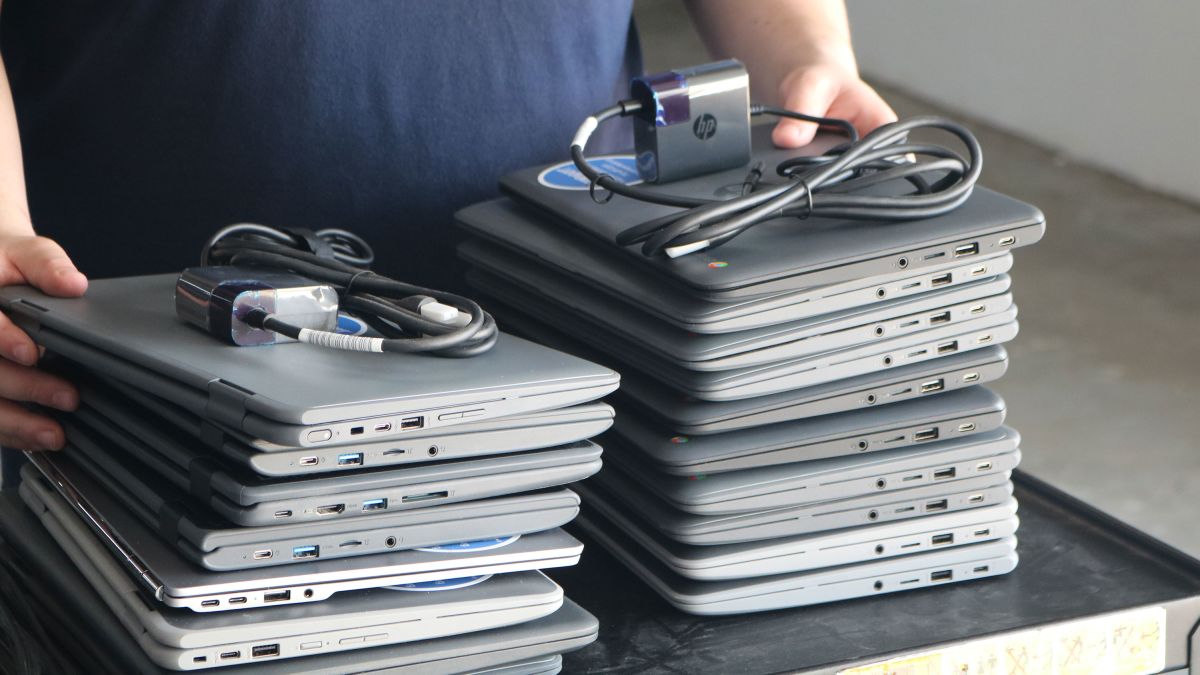
Electronics recycling is a method of reusing electronic waste, which usually consists of old, obsolete or unused electrical or electronic components, such as computers, laptops, mobile phones, small and large household electrical appliances.
Recycling ensures that e-waste does not end up in landfills or incinerated, causing environmental damage. Instead, parts from these appliances are melted down, refurbished or reused, reducing overall production costs and conserving valuable resources.
The environmental and economic impact of electronics recycling
Recycling electronics not only benefits the environment, but also has tangible economic advantages. Approximately 70 million tonnes of e-waste are generated annually worldwide. In Bulgaria, the annual amount is 45 thousand tonnes. The huge amount of material returned to circulation is reused instead of being produced anew, conserving resources and saving money. In addition, recycling electronics saves electricity and CO2 greenhouse gas emissions.
Electronics recycling and smart cities
For a city to be smart, it must be able to control, manage and efficiently use its physical infrastructure, such as roads, power grids and buildings. Electronics plays an important role in achieving this goal, as it is the core component of the digital infrastructure that underpins smart cities. An effective way of managing e-waste is needed to enable cities to adopt important technologies such as smart meters, connected vehicles and energy management systems. Only by maintaining proper e-recycling procedures can a city ensure that the e-waste generated by these new technologies is disposed of properly, ensuring a healthy environment for the overall health of its citizens.
Developing solutions for electronics recycling and smart cities
The good news is that many organisations and local authorities are now aware of the benefits of recycling and are starting to take steps to ensure e-waste is handled properly. Electronics manufacturers, together with local recycling companies, are now offering recycling systems and services in major cities across the country. At the local level, several municipalities have also launched waste collection, recycling and reuse services and are campaigning with the population to increase recycling rates.
In Europe and the US, many cities are launching major infrastructure projects that implement sustainable practices. For example, tech giants such as IBM are developing smart city software programmes to optimally manage water, electricity and other utilities with minimal waste.
Why is electronics recycling important for cities?
Recycling electronics is absolutely necessary for building smart cities. It has significant tangible economic benefits thanks to resource and energy savings. Furthermore, electronics recycling is an essential part of the infrastructure to initiate and sustain smart city practices leading to a better future for urban citizens.
In this sense, a critical focus for both companies and local authorities should be the development of e-waste recycling solutions that enforce better environmental management and pave the way to an era of modern and sustainable infrastructures.
Do you have any questions about this?
If you have questions about e-waste management or implementing sustainable practices in your business, don’t hesitate to contact us. Our experts will be happy to contact you and help you with advice and solutions.